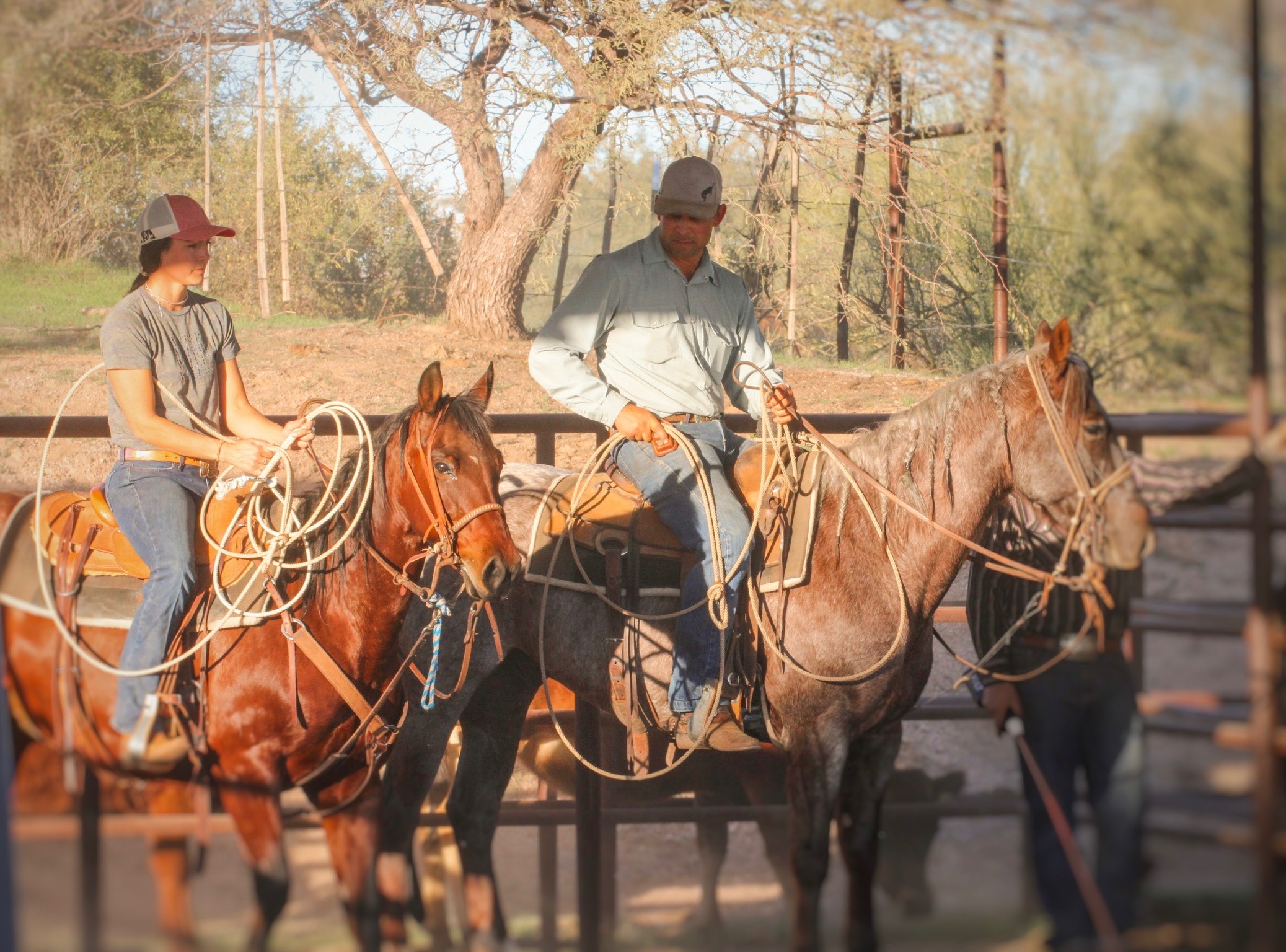
Do It Again: What Trevor and Kaylie Haught Taught Us About Building a Horse Training Business That Lasts
September 25, 2026


There’s a version of the horse training business dream that looks like this: you show one nice colt, win a check, and suddenly your barn is full and your phone won’t stop ringing.
That’s not the story Trevor and Kaylie Haught told me.
Their story is fifth wheels in 120-degree heat with no shade. It’s $700 for a single squeeze of hay and wondering how you’ll make it back. It’s quitting an $800-a-week dozer job to ride colts for twelve bucks a ride. It’s ten years of “we thought we’d be there by twenty-five” turning into a decade of just… showing up.
And now? They run the horse program at a first-class facility in Scottsdale, Arizona. Haught Horses and Livestock trains cow horses, rope horses, and two-year-olds for clients who trust them with horses worth more than most of us paid for our first truck.
Nothing about how they got here was fast. All of it was genuine.
🎧 Listen to the full conversation: Episode 53 with Trevor and Kaylie Haught (LINK TO EPISODE)
Cowboys First, Businesspeople Second
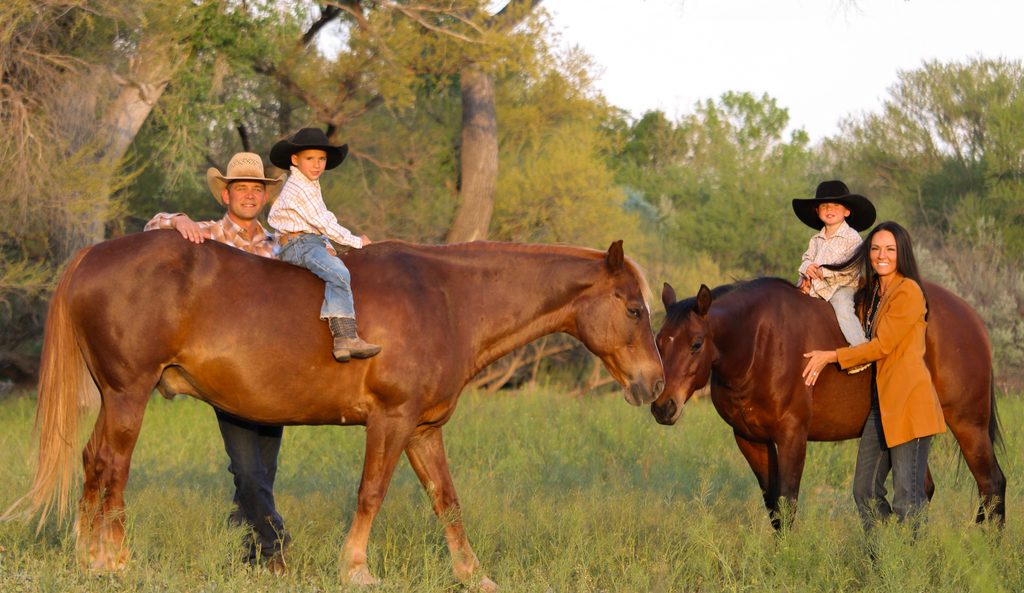
Trevor and Kaylie both grew up ranching. Kaylie roped calves her butcher dad kept around the house, and Trevor grew up on a remote spread with no electricity, no mailbox, and mules instead of horses. They met through rodeo, got together a few years later, and figured out early that they wanted the same thing: to play cowboy every day and actually make a living doing it.
That decision cost them. Trevor put it plainly: it was easier to work for free and learn something than to sit on a thousand-dollar-a-month assistant wage feeling resentful. So they skipped the traditional assistant-trainer path most horse trainers take and built their own horse training business instead. That meant they paid for every lesson themselves, the hard way, one bad month at a time.
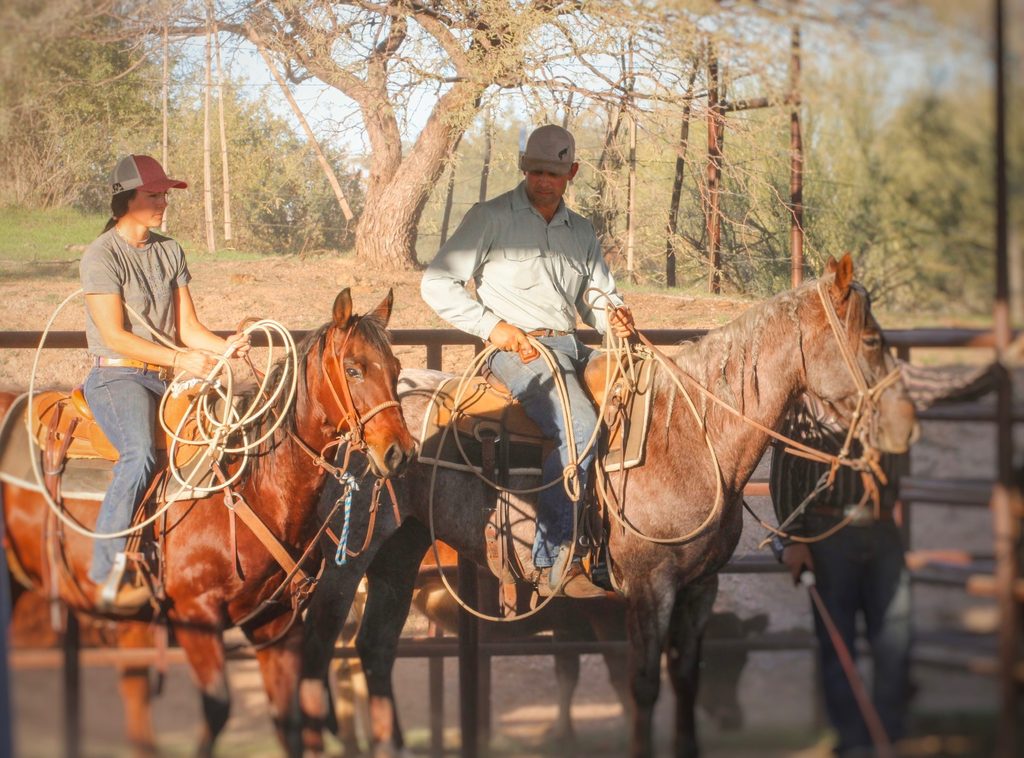
The Line That Changed Everything
Early on, Trevor tried riding for the public, and it didn’t work. It was a bad business model with undercharging and no real customer service. It took him years to come back around to training as a real career. When he did, he brought one rule with him:
“What I lack in talent, we make up for in customer service.”
That line has carried their whole business. It’s why clients who could train anywhere within a hundred miles of Scottsdale chose the Haughts, and why they stay. Kaylie talked about spending an hour on the phone with a client, and the conversation never really being about the horse. It’s about relationship first, horse second. Every time.
And honestly, we believe that mentality is exactly what makes them such good trainers in the first place. It’s not that they lack ability. It’s the opposite. That level of care and attention carries straight over into how they read a horse and handle a program. The same patience that makes a client feel heard is the same patience that makes a colt come along right.
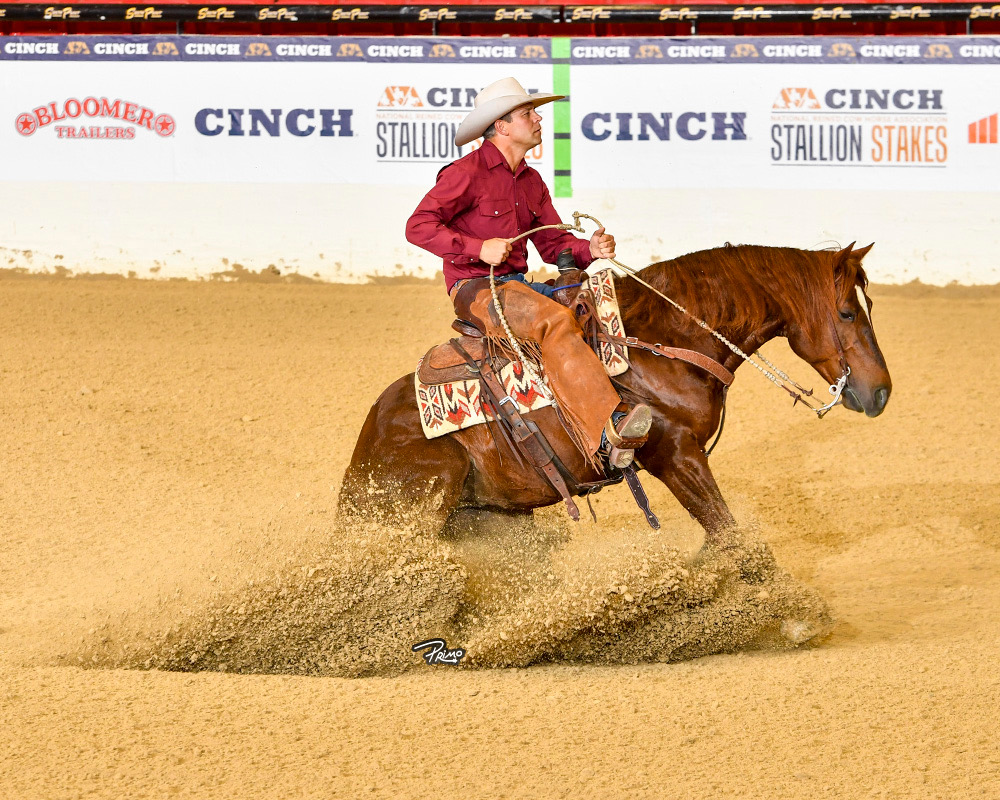
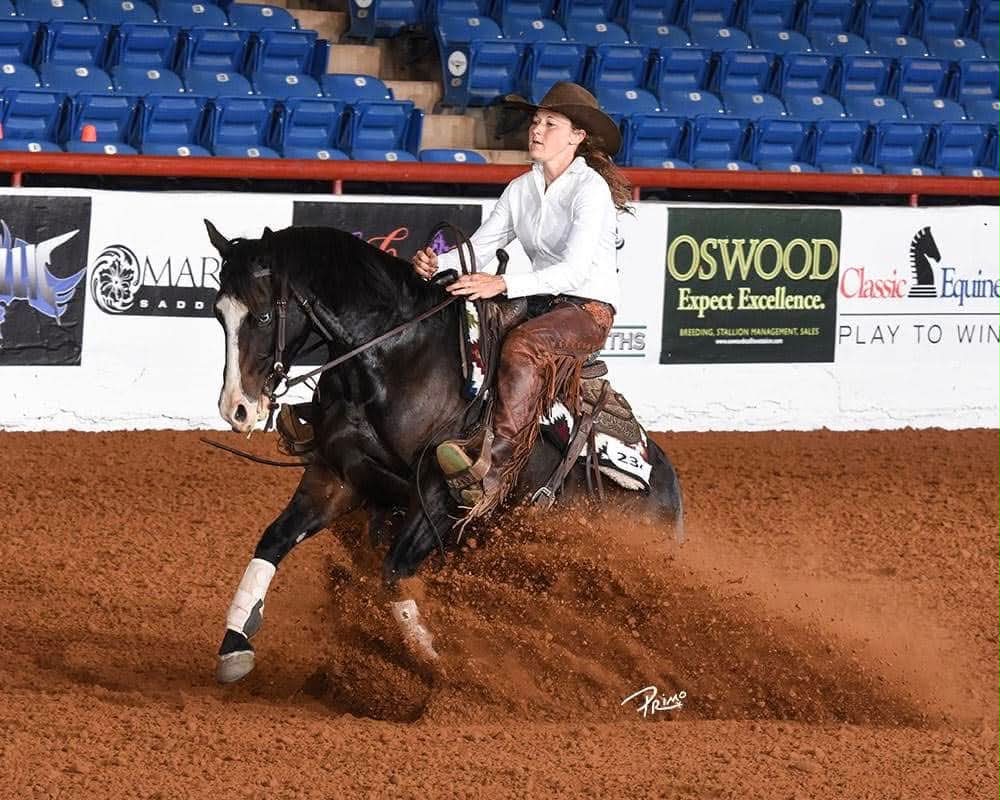
Photo by Primo
The Growing Pains of a Horse Training Business Nobody Warns You About
The Haughts didn’t sugarcoat the hard parts. Employees who feel like family one day are gone to their next chapter the next. There’s learning how to actually ask for payment, even when you’ve earned it, even when it feels awkward. And there’s realizing that a barn full of horses doesn’t mean a barn full of profit once you count fuel, hay, insurance, and every broken side-by-side.
They moved facilities three times, from Scottsdale to Camp Verde and back to Scottsdale, and each move taught them something the last one couldn’t. Through every version of the business, one thing stayed constant: they kept showing up, even on the days it made zero sense to.
When Doing the Right Thing Actually Pays Off
Here’s the part of the conversation that stuck with me most. The Haughts talked about pouring into client relationships for years, genuinely and without an angle, long before it “paid off” in any obvious way.
Then at a horse sale in Big Sky, a miscommunication with the auctioneer nearly cost them a sale entirely. Kaylie was devastated, convinced she’d let a client down after talking them into spending real money.
Instead, that moment turned into one of their most important client relationships to date.
“It’s fine, because what you think you want and what God has planned for you are totally different things. And in this case, it was so much better than we could have imagined.”
That’s the thing about doing the right thing consistently. It rarely pays off on your timeline. It pays off on its own.
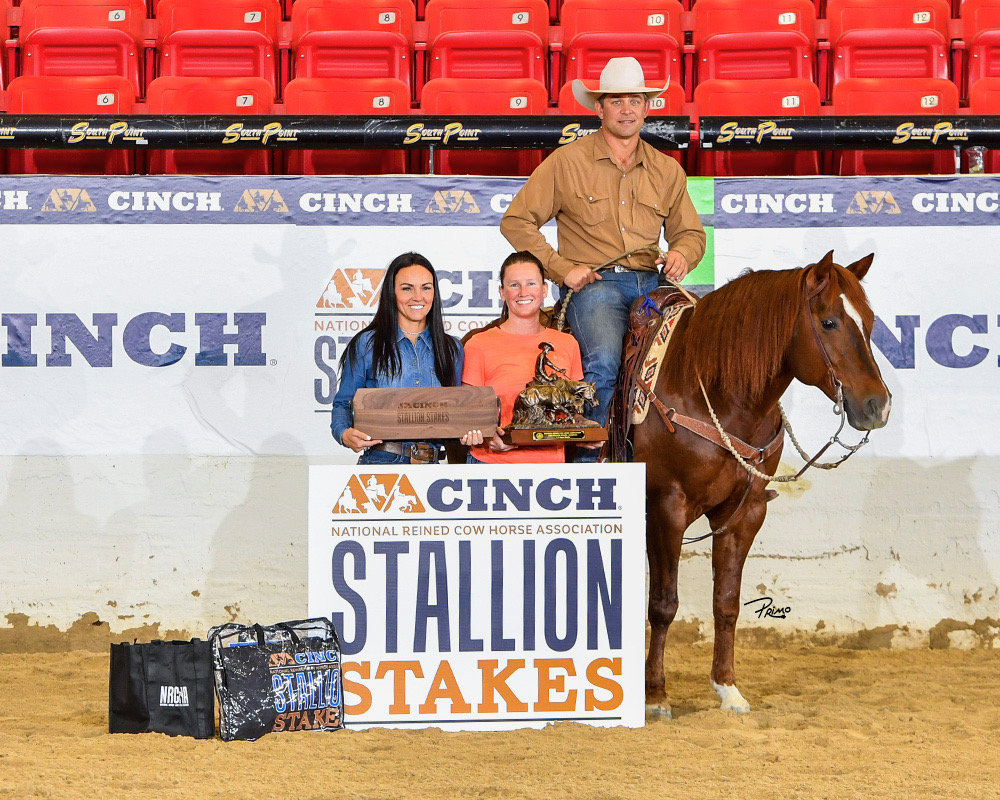
Photo by Primo
Riding the Horse That Showed Up
One of my favorite parts of the conversation wasn’t even about business. It came back around to a conversation Trevor and I had had before, about a colt we sent him.
When we brought him out, we were upfront: we didn’t want a futurity champion. We wanted a good, gentle gelding. And that’s exactly how Trevor rode him, for that goal and not some other one. There was no forcing him into a mold he was never meant for. Their goal isn’t to make every horse into something it’s not. It’s to ride the horse for who he actually is, and send home a happy horse.
“A happy horse can change your life. When they’re burnt out on the show deal, nobody wants to buy that. But a happy horse, they’ll pay for that.”
Same goes for people, if you ask them. Trevor talked about learning that from his own dad, who never said “good job” outright. He just walked by and said the welds looked good, and that was enough to make Trevor love welding. He rides the same way now. Encouragement over force, every time.
Their Advice for Anyone Starting Out
When I asked what they’d tell their younger selves, Kaylie didn’t hesitate:
“Keep learning. Go ride with all those trainers. Go talk to those people. Make those phone calls and create relationships with as many people as you possibly can. It takes a whole community of people to make it work. You can’t be on your own.”
And Trevor added the line that’s now stuck in my head for good:
“It’s impossible to fail if you keep showing up.”
Not easy. Not fast. Just impossible to fail if you don’t quit.
The Long Game
Trevor said something near the end of our conversation that captures the whole thing:
“Our time together has been a steady climb up. It’s just always gotten a little bit better, even though maybe in the moment it felt worse. But it’s always gotten better, just because we keep showing up.”
No overnight success. No shortcut. Just a decade of doing the right thing, showing up for clients, riding the horse in front of them instead of the one they wished they had, and letting the slow build be exactly what it needed to be. That’s what building a horse training business that lasts really looks like.
That’s the kind of hustle we love telling stories about.
Want to hear the full conversation? Catch [Episode 53 with Trevor and Kaylie Haught] (LINK TO EPISODE) wherever you listen to the Horses Hope & Hustle podcast, and follow along with their program on Instagram and Facebook at Haught Horses and Livestock (H-A-U-G-H-T).
Genuine Stories. Empowering Horse People.
Author: Crystal Show
share to
most popular posts